

What does a hormone clinic do, and how does Viva Hormone Clinic work?
A hormone clinic looks for the cause of symptoms that may come from hormones, the chemical messengers that glands such as the thyroid, ovaries, testicles, adrenal glands and pancreas release into the blood, and then explains the next steps, including treatment options or a referral when needed. Scientists have identified more than 50 hormones. When one is too high or too low, it can change energy, weight, sleep, periods, sex drive and more. Many hormonal imbalances can be diagnosed and managed in primary care, and some need an endocrinologist.
Viva Hormone Clinic is part of Viva Centers, a comprehensive medical center in Doral. We see adult women and men. For women, that means perimenopause, menopause, irregular cycles, PCOS and early changes in the ovaries. For men, it means questions about low testosterone. For everyone, it means thyroid symptoms, the hormonal side of blood sugar and weight, and making sense of hormone lab results. Visits are with Gissella Rivera, in English or Spanish.
What we check: your symptoms and how long they have lasted, your cycle or sexual health history, your medicines and supplements, your personal and family history, and targeted labs when they answer a real question. What we do: explain what is happening in plain language, discuss hormonal and non-hormonal options with their benefits and risks, prescribe when it is appropriate, coordinate specialists when needed, and follow up.
What we do not do: we do not start hormones because of one lab number, we do not treat aging itself with hormones, and we do not promise results. Guidelines limit testosterone to men with confirmed low levels and a related medical condition, not aging alone, and menopausal hormone therapy is not used to prevent heart disease, breast cancer or dementia.
- Women: perimenopause, menopause, irregular cycles, PCOS and early ovarian changes
- Men: a guideline-based evaluation of possible low testosterone
- Everyone: thyroid, blood sugar and the hormonal side of weight
- Labs that answer a question, not random panels
- Referrals to endocrinology, gynecology and urology when needed
Sources
- Hormonal Imbalance: Causes, Symptoms & Treatment
- FDA issues class-wide labeling changes for testosterone products (2/28/2025)
- Testosterone treatment in adult men with age-related low testosterone: a clinical guideline (ACP)
- Treatment of Symptoms of the Menopause: An Endocrine Society Clinical Practice Guideline
What are the 5 most common signs of a hormonal imbalance?
No single list fits everyone, because the body makes many different hormones and each one acts on different organs. Still, when people feel their hormones are "out of balance" or "out of whack", five groups of signs bring most people to a hormone visit. Every one of them can also come from causes that have nothing to do with hormones, which is why a careful history comes before any test or treatment.
Other signs include tiredness that does not improve with rest, trouble getting pregnant, mood changes and irritability, numbness or tingling in the hands, constant thirst with frequent urination, and in men, enlarged breast tissue or loss of muscle. In women, the most common hormonal changes come with perimenopause and menopause. In men with symptoms of low testosterone, the usual underlying issue is obesity or diabetes rather than a disease of the testicles or the pituitary gland.
If any of these signs are new and persistent, it is reasonable to get checked. Before your visit, write down when it started, how often it happens, your period dates if you menstruate, and what you have already tried. That short record often tells us more than a long list of tests.
- Changes in your periods: cycles that become irregular or much heavier, or periods that stop for months
- Hot flashes and night sweats, often with poor sleep
- Unexplained weight gain or loss, especially with feeling unusually cold or hot, a slow or racing heartbeat, or bowel changes
- Lower sex drive, and in men fewer morning erections or trouble with erections
- Skin and hair changes: acne, extra facial or body hair, thinning hair, dry skin, or dark, velvety patches on the neck or in the armpits

Perimenopause and menopause: the most common reason women come in
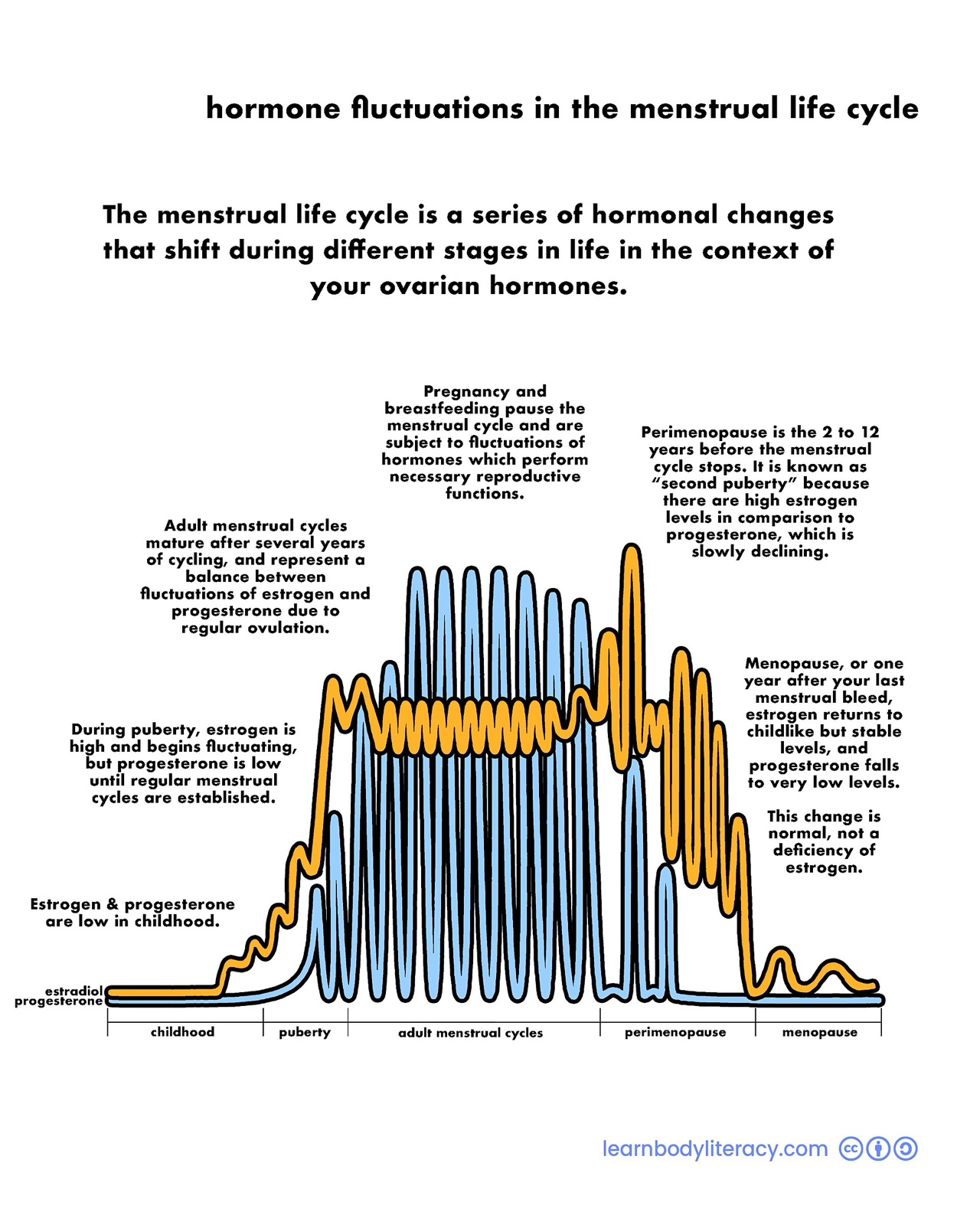
Perimenopause is the transition before menopause. The ovaries make less estrogen and progesterone, cycles become unpredictable, and symptoms can start while periods continue. It usually begins in the mid-40s but can start earlier. Menopause is confirmed after 12 months without a period, and in the United States it most often happens between ages 45 and 55.
Common symptoms include hot flashes, night sweats, poor sleep, vaginal dryness, mood changes, brain fog and joint aches. They often last 7 to 9 years, sometimes longer, and some women have few or none. Pregnancy is still possible in perimenopause, and hormone therapy is not birth control. You still need contraception for 1 year after your final period if you are 50 or older, and for 2 years if you are 40 to 49. Hormonal birth control can hide cycle changes, so months without periods on it do not count toward menopause.
In healthy women aged 45 or older, symptoms and cycle history are usually enough to recognize perimenopause or menopause, without hormone blood tests. Hormone levels swing so much during this stage that a single result can mislead, so a normal lab value does not mean your symptoms are imagined.
Bones and heart change too. Women lose bone fastest in the first 4 to 8 years after menopause, and falling estrogen can raise cholesterol and heart risk. That is why a menopause visit looks beyond hot flashes to bone health, blood pressure and cholesterol.
For a full, stage-by-stage guide, see our dedicated programs, Viva Perimenopause Care and Viva Menopause Care. This page gives you the summary, and the booking is the same.
Irregular cycles, PCOS and early ovarian changes
Most adult menstrual cycles run 21 to 35 days, with an average of 28. A cycle that keeps changing, periods that stop for months, or bleeding that is much heavier than usual deserves a look, because the menstrual pattern often reflects what is happening elsewhere in the body.
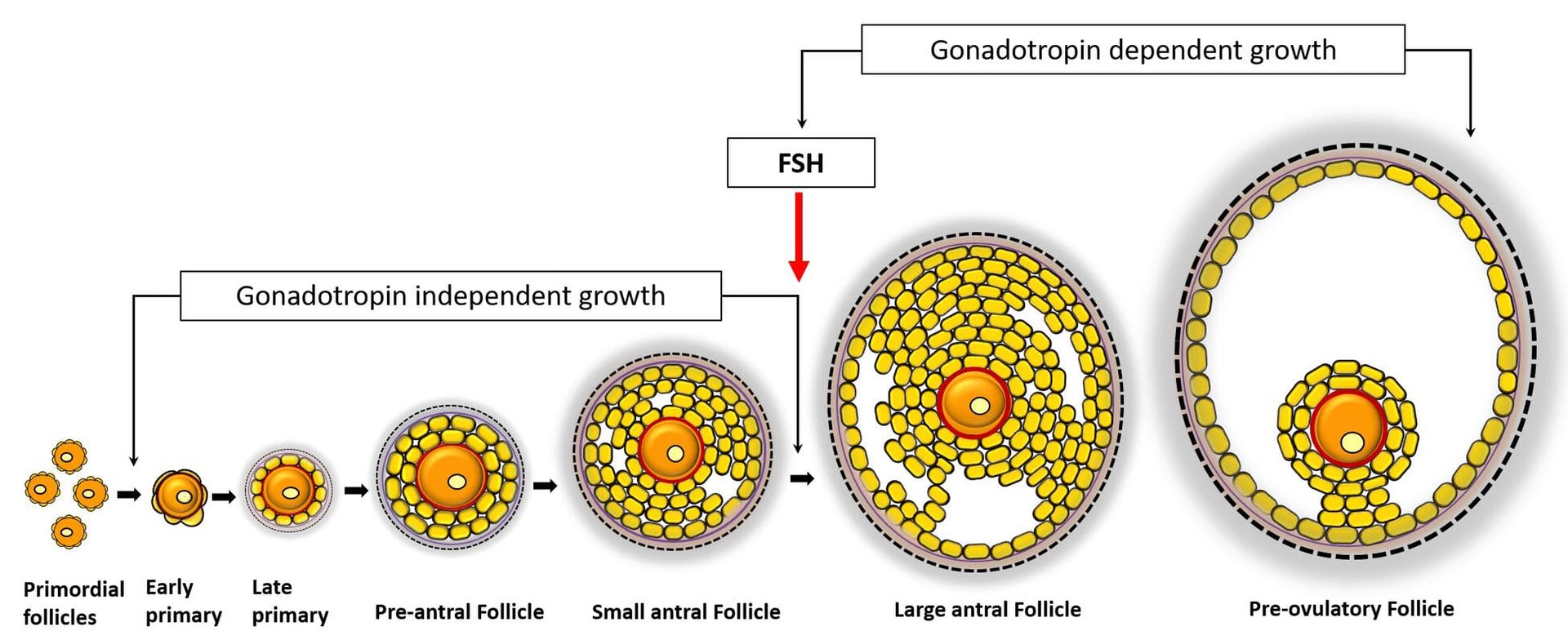
PCOS (polycystic ovary syndrome), now also called PMOS (polyendocrine metabolic ovarian syndrome), is a common hormonal condition. In adults it is usually identified when at least two of three features are present: irregular or missed periods from irregular ovulation, higher androgens or their signs, such as extra facial or body hair, and many small follicles on the ovaries. Other causes have to be ruled out first, and acne alone does not prove high androgens. In adults, an AMH blood test can replace the ultrasound for the ovary feature, but AMH never diagnoses PCOS by itself, and neither test is needed when irregular ovulation and high androgens are already confirmed. It raises the risk of type 2 diabetes, high blood pressure and a thickened uterine lining, and it is the most common cause of trouble getting pregnant due to lack of ovulation.
Care for PCOS starts with healthy eating and regular activity, and even a small weight loss can make periods more regular. When pregnancy is not wanted, combined hormonal birth control can regulate cycles and protect the uterine lining. Other options address insulin resistance, extra hair, acne and fertility goals. The 2023 international guideline also puts emotional well-being and freedom from weight stigma at the center of care.
When periods stop before age 40, premature ovarian insufficiency is one possible cause. It affects about 3.5% of women. The 2024 ESHRE guideline diagnoses it before age 40 when periods have been missed or irregular for at least 4 months and FSH is above 25 IU/L, with pregnancy ruled out. One clearly high FSH is enough; it is repeated after 4 to 6 weeks only if the result is uncertain. Treatment matters for bones, heart and well-being, and we coordinate gynecology or specialist care for fertility questions.
Sources
- About Menstruation
- About Polycystic Ovary Syndrome (PCOS)
- Polycystic Ovary Syndrome (PCOS) (FAQ)
- 2023 International Evidence-based Guideline for the Assessment and Management of Polycystic Ovary Syndrome (recommendations)
- Evidence-based guideline: premature ovarian insufficiency (ESHRE)
- Polyendocrine metabolic ovarian syndrome (PMOS), previously called polycystic ovary syndrome
Men: low testosterone is a diagnosis, not just a number
Testosterone tends to fall slowly with age, about 1% a year from the late 30s. A level below 300 ng/dL is generally considered low, but low testosterone (often called "low T"), medically hypogonadism, is diagnosed only when a low level comes with symptoms. The most specific symptoms are lower sex drive, fewer morning erections and trouble with erections. Others include less muscle, more body fat, less endurance, trouble concentrating and low mood.
Evaluation comes first. Guidelines call for at least two fasting, early-morning blood tests on different days, because testosterone is typically highest between about 7 and 10 a.m. and varies from day to day. If the total level is borderline, free testosterone can help. Follow-up labs look for the cause, and before any treatment a blood count and, for men over 40, a PSA are checked.
Often the cause is something else that can be treated. Obesity and diabetes are the usual issues, and sleep apnea and some medicines can also lower testosterone. Lifestyle change is part of the treatment for every man with low levels.
If therapy is considered, usually called testosterone replacement therapy (TRT), the evidence is balanced. In the TRAVERSE trial of 5,246 men with low testosterone and heart disease or high heart risk, major heart events were similar with testosterone or placebo (7.0% and 7.3%), but atrial fibrillation, kidney injury and lung blood clots were more frequent with testosterone. In 2025 the FDA updated testosterone labels, kept their use for men with low testosterone and a related medical condition rather than aging alone, and added a blood-pressure warning. For age-related low testosterone, a 2020 ACP guideline in the Annals of Internal Medicine advises considering therapy only for sexual function problems and stopping it if nothing improves by 12 months. If testosterone is prescribed, follow-up in the first year checks symptoms, side effects, blood pressure, testosterone, hematocrit and prostate risk; if levels reach the normal range but symptoms have not improved after 3 to 6 months, stopping is discussed. After that, levels are usually checked every 6 to 12 months. What happens after 3 months on TRT? Some men notice changes in sex drive or energy within weeks, while other changes take months, and the first full check at 3 to 6 months decides whether the plan continues.
Will TRT help with belly fat? TRT is not a weight-loss treatment. In men with confirmed low testosterone it can modestly change body composition, but guidelines do not recommend it for weight loss, energy or physical performance alone. Losing weight through eating and activity changes can itself raise testosterone, which is why the visit also checks blood sugar and metabolic labs.
Testosterone is not started when you want to conceive soon, or with breast or prostate cancer, a prostate nodule or a high PSA that has not been checked by urology, high red-blood-cell levels, untreated severe sleep apnea, severe urinary symptoms, such as a weak stream, urgency or getting up often at night, uncontrolled heart failure, a heart attack or stroke in the last 6 months, or a condition that makes the blood clot too easily. Our dedicated program, Viva Men's Health, covers other men's concerns in more detail. If testosterone is prescribed, testosterone and hematocrit are checked 3 to 6 months after starting treatment; hematocrit is then checked every year.

Sources
- Low testosterone (low T): hypogonadism, symptoms and treatment
- Testosterone therapy in men with hypogonadism: an Endocrine Society clinical practice guideline
- Evaluation and management of testosterone deficiency: AUA guideline
- Testosterone Levels Test
- Cardiovascular safety of testosterone-replacement therapy (TRAVERSE)
- FDA issues class-wide labeling changes for testosterone products (2/28/2025)
- Testosterone treatment in adult men with age-related low testosterone: a clinical guideline (ACP)
Thyroid: underactive, overactive and how it is tested
The thyroid is a small, butterfly-shaped gland in the front of the neck. Its hormones control how the body uses energy, so they affect nearly every organ, even the heartbeat. An underactive thyroid (hypothyroidism) affects nearly 5 in 100 Americans aged 12 and older, and an overactive thyroid (hyperthyroidism) about 1 in 100. Both are more common in women and after age 60, and a thyroid problem is more likely in the 6 months after a pregnancy.
An underactive thyroid slows the body down: tiredness, weight gain, feeling cold, joint and muscle aches, dry skin, thinning hair, a slow heartbeat, and heavy or irregular periods. An overactive thyroid speeds it up: weight loss despite a bigger appetite, a fast or irregular heartbeat, nervousness, irritability, shaky hands, sweating, poor sleep and a swelling in the neck called a goiter. Because these symptoms overlap with many other conditions, the diagnosis cannot rest on symptoms alone.
The first test is TSH, the signal from the pituitary gland that tells the thyroid how hard to work. A high TSH usually means the thyroid is underactive, and a low TSH usually means it is overactive. Free T4 confirms the picture, and thyroid antibodies can show an autoimmune cause such as Hashimoto's or Graves' disease. Reverse T3 does not help diagnose an underactive thyroid in healthy people who are not in the hospital.
Two practical points help avoid false alarms. The supplement biotin can make thyroid results look abnormal, so stop it 2 days before the blood draw. Estrogen from birth control or pregnancy changes total T4, so TSH and free T4 are the more reliable tests. For adults who are not pregnant and have no symptoms, the U.S. Preventive Services Task Force finds the evidence insufficient to judge the benefits and harms of routine thyroid screening. That is not a recommendation against testing; we order TSH when symptoms, pregnancy or another clinical reason makes the result useful.
A straightforward underactive thyroid is usually treated with a daily thyroid hormone pill, with a blood test 6 to 8 weeks after each dose change and then about once a year. An overactive thyroid, nodules or a goiter, thyroid problems in pregnancy or after childbirth, and pituitary causes are coordinated with endocrinology.
Metabolism, insulin resistance and weight: the hormonal side
Insulin is a hormone made by the pancreas. In insulin resistance, muscle, fat and liver cells do not respond to it well, and blood sugar and weight can rise. When blood sugar is higher than normal but not yet in the diabetes range, it is called prediabetes. About 97.6 million adults in the United States had prediabetes in 2021.
Risk is higher from age 35, with a family history, and for Hispanic and Latino adults, which matters for many families in Doral and across Miami-Dade. PCOS, sleep apnea, smoking and a history of diabetes during pregnancy also raise risk. Insulin resistance and prediabetes usually cause no symptoms, although dark, velvety skin on the neck or in the armpits can be a clue.
There is no routine clinic test for insulin resistance itself; that test is mainly used in research. Prediabetes is found with an A1C between 5.7% and 6.4% or a fasting glucose between 100 and 125 mg/dL, and cholesterol and triglycerides are often checked at the same time. If results are normal but you have risk factors, testing is usually repeated at least every 3 years. If you have prediabetes, testing for type 2 diabetes is generally repeated every year.
Some weight changes do have a hormonal cause, such as an underactive thyroid or, rarely, too much cortisol, and many women notice body changes around menopause. Most often, though, weight reflects several factors together. In the Diabetes Prevention Program, losing 5% to 7% of starting weight lowered the chance of developing type 2 diabetes. We look at the hormonal side first, then build a realistic plan around eating, activity and sleep, and discuss medicines only when they are appropriate.
Many supplements sold for "hormone balance" have little scientific proof. Please talk with your clinician before you take them.

Hormone labs: which test answers which question
Good lab work starts with a question. A large "full hormone panel" ordered without one can produce results that are hard to interpret, because many hormones change by the hour, by the day of the cycle, or with medicines and supplements. A result outside the range does not always mean a problem, and a single normal result does not always rule one out. A testosterone result alone, for example, cannot diagnose a condition.
Timing and preparation matter. Testosterone is drawn fasting, early in the morning, typically between 7 and 10. Tell us about every medicine and supplement you take, and stop biotin 2 days before thyroid tests. At-home kits exist for some hormones; if you have used one, bring the result, and we will decide together whether it needs to be repeated in a lab. Home and direct-order tests can give a number, but low testosterone is never diagnosed from one result: it takes two early-morning tests on different days, read with your symptoms. We tell you the lab cost or your coverage before the draw.
Labs ordered at Viva are reviewed with you in plain language, with a clear plan for what happens next.
- Thyroid symptoms: TSH first, free T4 when needed, and antibodies to find the cause
- Possible low testosterone: fasting total testosterone early in the morning, repeated on a second day, and free testosterone if borderline
- Perimenopause or menopause at 45 or older: usually no hormone test; FSH only in selected cases under 45
- Missed periods or possible PCOS: tests chosen for your history, with pregnancy and other causes ruled out; in adults, AMH can replace an ultrasound for the ovary feature but never diagnoses PCOS alone
- Blood sugar: A1C or fasting glucose, plus cholesterol and triglycerides
Sources
- Thyroid Function Tests
- TSH (Thyroid-stimulating hormone) Test
- Testosterone therapy in men with hypogonadism: an Endocrine Society clinical practice guideline
- Evaluation and management of testosterone deficiency: AUA guideline
- Testosterone Levels Test
- Menopause: identification and management (NICE guideline NG23)
- Perimenopause: age, stages, signs, symptoms and treatment
- 2023 International Evidence-based Guideline for the Assessment and Management of Polycystic Ovary Syndrome (recommendations)
- Evidence-based guideline: premature ovarian insufficiency (ESHRE)
- Insulin Resistance & Prediabetes
Treatment options: benefits, risks and who should not use hormones
Treatment depends on the cause. When a gland does not make enough of a hormone, replacing it is often the main treatment, as with thyroid hormone for an underactive thyroid. For menopause symptoms, hormone therapy is the most effective treatment for hot flashes and for vaginal and urinary symptoms, and it protects bone. For most healthy women under 60 or within 10 years of menopause, the balance of benefit and risk is favorable.
Hormone therapy also has real risks that depend on your age, your health and the type you use. Combined estrogen and progestogen carries a small increased risk of breast cancer, and both combined and estrogen-only therapy carry a small increased risk of stroke and blood clots; pills raise clot risk more than patches, gels or sprays. Vaginal (local) estrogen for dryness does not raise clot risk the way systemic therapy can, and the NHS reports no increase in breast cancer risk. After breast cancer, even local estrogen is a separate decision made with your cancer care team, usually after non-hormone moisturizers have been tried. If you have a uterus, systemic estrogen usually requires a progestogen to protect the uterine lining; low-dose vaginal estrogen generally does not. Menopausal hormone therapy is reviewed at least once a year.
What disqualifies you from hormone therapy? For women, systemic hormone therapy is not started while vaginal bleeding is unexplained, including any bleeding after 12 months without a period; that bleeding is checked first. It is also usually not recommended after breast or endometrial cancer, a stroke, a heart attack, blood clots or liver disease, or during pregnancy. For men, testosterone is not started when you want to conceive soon, or with breast or prostate cancer, a prostate nodule or a high PSA that has not been checked by urology, high red-blood-cell levels, untreated severe sleep apnea, severe urinary symptoms, such as a weak stream, urgency or getting up often at night, uncontrolled heart failure, a heart attack or stroke in the last 6 months, or a condition that makes the blood clot too easily. A history like this does not mean you have no options. It means your options are different.
Non-hormone options are real options. For hot flashes, cognitive-behavioral therapy, clinical hypnosis and certain non-hormone prescription medicines, including one that acts on the brain's temperature center, have good evidence. Herbal remedies and supplements are not recommended. Vaginal moisturizers and lubricants help with dryness. For low testosterone linked to weight or diabetes, lifestyle change is part of the treatment. No vitamin has been shown to reliably stop hot flashes, and some supplements interact with other medicines, so bring the ones you take to the visit.
When hormones are used, including the "bioidentical" hormones (BHRT) many people ask about, guidelines prefer regulated, commercially made products over custom-compounded ones whenever possible. Every option is a shared decision, made after you understand both the benefits and the risks.
- Hormonal options when appropriate: systemic estrogen therapy (with a progestogen if you have a uterus), low-dose vaginal estrogen (usually without a progestogen), testosterone for confirmed deficiency, and thyroid hormone for an underactive thyroid
- Non-hormone options: lifestyle steps, cognitive-behavioral therapy, clinical hypnosis and selected non-hormone prescriptions
- Menopausal hormone therapy reviewed at least once a year; testosterone and hematocrit checked 3 to 6 months after starting, then yearly

Sources
- The 2022 hormone therapy position statement of The North American Menopause Society
- Hormone Therapy for Menopause (FAQ)
- Benefits and risks of hormone replacement therapy (HRT)
- Treatment of Symptoms of the Menopause: An Endocrine Society Clinical Practice Guideline
- Testosterone therapy in men with hypogonadism: an Endocrine Society clinical practice guideline
- Evaluation and management of testosterone deficiency: AUA guideline
- The 2023 nonhormone therapy position statement of The North American Menopause Society
- Hypothyroidism (Underactive Thyroid)
- Types of hormone replacement therapy (HRT)
When should I see an endocrinologist, and can I go straight to one?
An endocrinologist is a clinician who specializes in hormone conditions. Primary care can diagnose and help manage many hormonal imbalances, and an endocrinologist adds the most when a problem is complex or unusual. Whether you can book one directly depends on your insurance plan, and we can help you check. Even when no referral is required, a first visit that reviews your symptoms and completes the right labs often makes the specialist visit more useful.
We coordinate endocrinology when, for example, thyroid tests show an overactive thyroid, when there is a nodule or a goiter, when a thyroid problem appears in pregnancy or after childbirth, when follow-up labs point to a pituitary or adrenal cause, or when early ovarian insufficiency is confirmed. We coordinate urology for a prostate nodule or a high PSA before any testosterone decision, and gynecology for abnormal bleeding or complex histories.
When we refer you, we send your notes and results so you do not have to start over, and we stay available for the care that continues close to home.
- Overactive thyroid, thyroid nodules or goiter
- Thyroid problems in pregnancy or after childbirth
- Suspected pituitary or adrenal causes
- Confirmed premature ovarian insufficiency or complex fertility questions
- Prostate nodule or high PSA (urology) before testosterone decisions
Sources
- Hormonal Imbalance: Causes, Symptoms & Treatment
- Hyperthyroidism (Overactive Thyroid)
- Hypothyroidism (Underactive Thyroid)
- Evidence-based guideline: premature ovarian insufficiency (ESHRE)
- Evaluation and management of testosterone deficiency: AUA guideline
- Testosterone therapy in men with hypogonadism: an Endocrine Society clinical practice guideline
Your visit with Gissella Rivera in Doral
Your first visit is a conversation. Gissella Rivera, who sees patients in English and Spanish, listens to your symptoms and how they affect your sleep, work and relationships. Then she reviews your medicines and supplements, your cycle or sexual health history, and your personal and family history.
Labs are ordered only when they will answer a question, and the plan is explained before you leave: what we think is happening, what we still need to check, and which hormonal and non-hormonal options fit your health and your preferences. A prescription is part of the visit when it is appropriate, and any hormone plan comes with a follow-up date.
Please bring a list of your medicines and supplements, earlier lab results, your period dates if you menstruate, and your questions written down. For a testosterone evaluation, plan for a fasting, early-morning lab draw.
Viva Centers is at 10560 NW 27th Street, Unit 101, Doral, FL 33172. Patients come to us from Doral, Miami Springs, Medley, Sweetwater, Hialeah, Miami Lakes, Fontainebleau, Kendall and Westchester. Use the booking button on this page to book with Gissella Rivera, or call (305) 209-0001.

How much does hormone care cost, and do you take insurance?
Cost depends on what your visit includes, which labs you need and your plan, so we do not publish one price for "hormone therapy". Self-pay prices and insurance coverage vary. Before the visit, we verify your benefits and tell you what to expect, including how your plan handles lab work.
Be cautious with offers that quote a monthly price for hormones before anyone has reviewed your history and labs. A responsible plan starts with an evaluation, and many people end up needing something different from what they expected, such as thyroid care, a cycle evaluation or lifestyle support rather than hormones. Testosterone, for example, is meant for men with confirmed low levels and a related medical condition, not for aging alone.
Ask us anything about cost when you book. We would rather you know before you come.
When should I get care right away?
Some changes should not wait for a routine visit. Any bleeding after 12 months without a period needs prompt evaluation, even if it is light, and systemic hormone therapy is not started until it is checked. See a clinician soon for very heavy periods, periods that come less than 21 days apart, bleeding between periods or after sex, a fast or irregular heartbeat, or periods that stop before age 45.
Chest pain, trouble breathing, sudden weakness on one side of the body, trouble speaking, or severe pain or swelling in one leg, especially if you use hormones, may be an emergency. Severe untreated underactive thyroid can, rarely, slow the body to a life-threatening point, and an untreated overactive thyroid can cause an irregular heartbeat that leads to clots or stroke.
If you might be having an emergency, call 911 or go to the nearest emergency room. For questions that are not an emergency, call Viva Centers at (305) 209-0001. This page is education, not a diagnosis.
Studies & sources
- What Is Menopause?
National Institute on Aging (NIH) · 2024
Menopause is when periods stop for good after 12 months with no period, it is a normal part of aging, and symptoms such as hot flashes, sleep trouble and vaginal dryness are common.
- Menopause: identification and management (NICE guideline NG23)
NICE · 2015
In otherwise healthy women aged 45 or older, perimenopause and menopause can be identified from symptoms and menstrual history without lab tests. FSH is considered only at ages 40 to 45 with symptoms and a cycle change, or under 40 when menopause is suspected.
- The 2022 hormone therapy position statement of The North American Menopause Society
The Menopause Society (formerly NAMS) · 2022
Hormone therapy is the most effective treatment for hot flashes and for vaginal and urinary changes, and its balance of benefit and risk is favorable for most healthy women under 60 or within 10 years of menopause; vaginal bleeding after menopause requires thorough evaluation, and low-dose vaginal estrogen after breast cancer is decided with the oncology team.
- The 2023 nonhormone therapy position statement of The North American Menopause Society
The Menopause Society (formerly NAMS) · 2023
The strongest non-hormone options for hot flashes include cognitive-behavioral therapy, clinical hypnosis and certain prescription medicines, while supplements and herbal remedies are not recommended.
- Hormone Therapy for Menopause (FAQ)
American College of Obstetricians and Gynecologists · 2024
ACOG describes hormone therapy options, who should not use it, and its small increased risks of breast cancer, stroke and blood clots, and advises a yearly review.
- Benefits and risks of hormone replacement therapy (HRT)
NHS (UK) · 2023
The NHS says benefits of hormone therapy are likely to outweigh risks for women under 60 without high breast cancer or clot risk, and that vaginal estrogen does not raise breast cancer or clot risk.
- Treatment of Symptoms of the Menopause: An Endocrine Society Clinical Practice Guideline
Endocrine Society · 2015
Hormone therapy is the most effective treatment for menopausal symptoms, risk should be screened first, and it should not be used to prevent heart disease, breast cancer or dementia.
- Symptoms of menopause and perimenopause
NHS (UK) · 2026
The NHS lists changed periods, hot flushes, sleep problems, mood changes, brain fog and vaginal dryness as common symptoms that usually last 7 to 9 years.
- Perimenopause: age, stages, signs, symptoms and treatment
Cleveland Clinic · 2024
Perimenopause usually starts in the mid-40s, can involve unpredictable cycles while pregnancy remains possible, and hormone fluctuations make diagnostic blood tests unreliable.
- The Menopause Years (FAQ)
American College of Obstetricians and Gynecologists · 2025
Women lose bone fastest in the first 4 to 8 years after menopause, and falling estrogen can raise cholesterol and the risk of heart disease.
- 2023 International Evidence-based Guideline for the Assessment and Management of Polycystic Ovary Syndrome (recommendations)
Human Reproduction; ESHRE/ASRM/Monash-led international guideline · 2023
The international PCOS guideline simplifies diagnosis, requires other causes to be excluded, notes that acne alone is a weak sign of high androgens, allows AMH instead of ultrasound in adults but never as a single diagnostic test, and puts healthy lifestyle, emotional well-being and avoiding weight stigma at the center of care.
- About Polycystic Ovary Syndrome (PCOS)
NICHD (NIH) · 2024
PCOS/PMOS is usually identified by at least two of three features: irregular or absent ovulation, signs of higher androgens, and ovarian follicle changes; it is the most common cause of infertility from lack of ovulation.
- Polycystic Ovary Syndrome (PCOS) (FAQ)
American College of Obstetricians and Gynecologists (ACOG) · 2025
PCOS raises the risk of type 2 diabetes, high blood pressure and a thickened uterine lining; healthy eating, activity and, when pregnancy is not wanted, combined hormonal pills help control it.
- Evidence-based guideline: premature ovarian insufficiency (ESHRE)
ESHRE · 2024
Premature ovarian insufficiency affects about 3.5% of women. ESHRE 2024 diagnoses it before age 40 after at least 4 months of missed or irregular periods plus one FSH above 25 IU/L, with pregnancy ruled out; FSH is repeated after 4 to 6 weeks only if the result is uncertain. Treatment protects bones, heart and well-being.
- Testosterone therapy in men with hypogonadism: an Endocrine Society clinical practice guideline
Endocrine Society · 2018
Low testosterone should be diagnosed only with consistent symptoms plus unequivocally low levels on repeated fasting morning tests; therapy is not started with near-term fertility plans, breast or prostate cancer, a prostate nodule or PSA above 4 ng/mL, or above 3 ng/mL when prostate-cancer risk is higher (including a father, brother or son with prostate cancer), without urology evaluation, high hematocrit, untreated severe sleep apnea, severe urinary symptoms, uncontrolled heart failure, a heart attack or stroke within 6 months, or thrombophilia; testosterone and hematocrit are checked 3 to 6 months after starting, then hematocrit yearly.
- Evaluation and management of testosterone deficiency: AUA guideline
American Urological Association · 2018
The AUA asks for two early-morning tests, lab work for the cause, a blood count and PSA before treatment, lifestyle counseling for every man with low levels, testosterone checks every 6 to 12 months on therapy, discussing stopping at 3 to 6 months if symptoms do not improve, and commercial rather than compounded products when possible.
- Cardiovascular safety of testosterone-replacement therapy (TRAVERSE)
New England Journal of Medicine · 2023
In 5,246 men with low testosterone and heart disease or high heart risk, major heart events were 7.0% with testosterone and 7.3% with placebo, but atrial fibrillation, acute kidney injury and lung blood clots were more frequent with testosterone.
- Testosterone treatment in adult men with age-related low testosterone: a clinical guideline (ACP)
Annals of Internal Medicine (ACP) · 2020
For age-related low testosterone, therapy should be discussed only for sexual dysfunction, rechecked at 12 months and stopped if there is no improvement; it should not be started for energy, vitality or physical function.
- FDA issues class-wide labeling changes for testosterone products (2/28/2025)
U.S. Food and Drug Administration · 2025
The FDA added the TRAVERSE results to testosterone labels, kept their use limited to men with low testosterone and an associated medical condition rather than aging alone, and added a blood-pressure warning.
- Low testosterone (low T): hypogonadism, symptoms and treatment
Cleveland Clinic · 2026
Testosterone can fall about 1% a year from the late 30s; levels below 300 ng/dL are considered low, hypogonadism needs symptoms too, and obesity or diabetes is the usual underlying issue.
- Hypothyroidism (Underactive Thyroid)
NIDDK (NIH) · 2021
Nearly 5 in 100 Americans 12 and older have an underactive thyroid; it is more common in women and after 60, symptoms alone cannot make the diagnosis, and thyroid hormone treatment is checked with a blood test 6 to 8 weeks after each dose change.
- Hyperthyroidism (Overactive Thyroid)
NIDDK (NIH) · 2021
About 1 in 100 Americans 12 and older have an overactive thyroid; untreated, it can cause an irregular heartbeat that leads to clots and stroke, bone thinning and cycle problems, and treatment options include medicines, radioiodine and surgery.
- Thyroid Function Tests
American Thyroid Association · 2026
TSH is the recommended first test of thyroid function, free T4 confirms the picture, reverse T3 is not clinically useful in healthy people, estrogen changes total T4, and biotin should be stopped 2 days before testing.
- Hypothyroidism (Underactive)
American Thyroid Association · 2026
A blood test is the only way to know for sure if you have hypothyroidism; TSH and free T4 are the key tests, T3 testing is not often needed, and most people take a daily thyroid hormone pill.
- TSH (Thyroid-stimulating hormone) Test
MedlinePlus, U.S. National Library of Medicine · 2024
A TSH test shows whether the thyroid is making too much or too little hormone but not why; antibody tests can point to Hashimoto's or Graves' disease.
- Thyroid Dysfunction: Screening
U.S. Preventive Services Task Force · 2015
Current evidence is insufficient to assess the benefits and harms of screening nonpregnant adults without symptoms for thyroid dysfunction.
- Insulin Resistance & Prediabetes
NIDDK (NIH) · 2025
About 97.6 million U.S. adults had prediabetes in 2021; Hispanic and Latino heritage, age 35 or older and PCOS raise risk, the insulin resistance test is mainly a research tool, and losing 5% to 7% of body weight lowered diabetes risk in the Diabetes Prevention Program.
- Testosterone Levels Test
MedlinePlus, U.S. National Library of Medicine · 2025
Testosterone blood samples are taken in the morning, between 7 and 10, when levels are typically highest, and a testosterone result alone cannot diagnose a health condition.
- Side effects of hormone replacement therapy (HRT)
NHS (UK) · 2023
There is little evidence that most types of hormone therapy cause weight gain; some weight gain around menopause and with age often happens whether or not hormones are used.
- Hormonal Imbalance: Causes, Symptoms & Treatment
Cleveland Clinic · 2022
Hormonal imbalance means too much or too little of one or more hormones; its signs overlap with other conditions, primary care can diagnose and manage many imbalances, and few supplements sold for hormones have proven benefit.
- About Menstruation
NICHD (NIH) · 2024
NICHD describes most adult menstrual cycles as 21 to 35 days with an average of 28 days.
- Types of hormone replacement therapy (HRT)
NHS (UK) · 2026
Women who still have a womb need a progestogen with oestrogen tablets, patches, gel or spray; vaginal oestrogen does not carry the usual risks of HRT and can be used without a progestogen.
- About hormone replacement therapy (HRT)
NHS (UK) · 2026
It is still possible to get pregnant while taking hormone therapy, so hormone therapy is not birth control. Contraception is still needed for 1 year after the final period if you are 50 or older, and for 2 years if you are 40 to 49.
- Polyendocrine metabolic ovarian syndrome (PMOS), previously called polycystic ovary syndrome
NHS (UK) · 2026
The NHS now uses polyendocrine metabolic ovarian syndrome (PMOS) for the condition previously called PCOS, and notes that its common symptoms can have many other causes.